Anime vs Indian Animation Industry: Two Industries, Very Different Journeys 2026
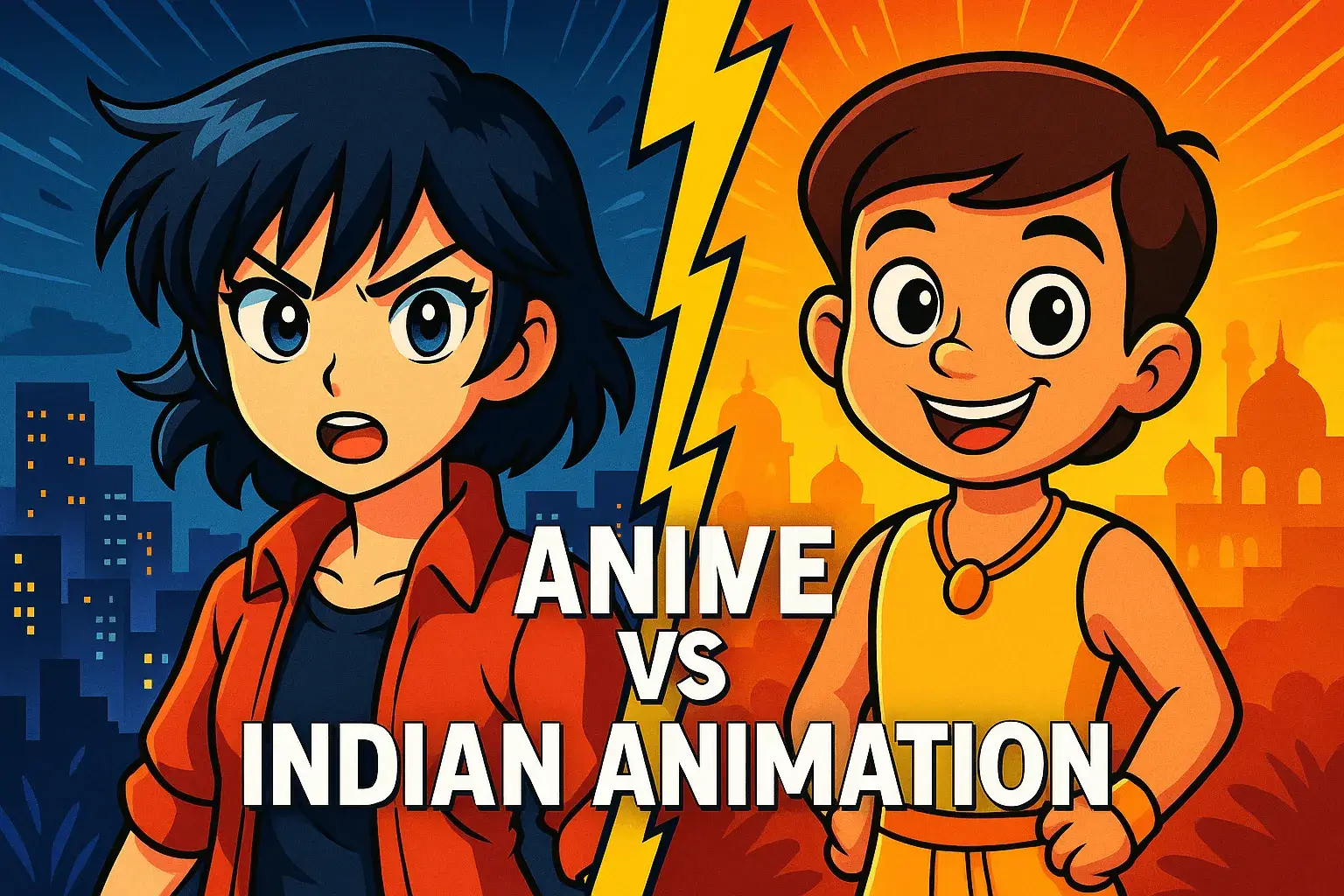
Today, animation is not just for children, adults are also huge fans. It has become a cultural force, a global business, and a new form of entertainment. Amidst this evolution of anime, two worlds stand out, each powerful in its own way: Japanese anime, with its emotional depth and global fan following, and Indian animation, a rapidly growing industry fueled by new technologies, OTT demand, and immense market potential.
At first glance, the difference seems obvious: one produces Naruto, the other Chhota Bheem. But the real story is far more complex.
The anime industry has now become a $32 billion global giant, influencing everything from fashion to cinema. India’s animation sector, once underestimated, is now growing at a phenomenal 38% CAGR, becoming one of the fastest-growing creative industries in the world.
So what sets these two industries apart?
Why does anime have such a massive global following, while Indian animation is only just beginning to establish its global presence?
With the rapid growth of India’s animation industry, will these two worlds finally converge?
A Style, A Culture, A Global Obsession: What Exactly Is Anime?
Anime is more than just animation; it represents an entire culture.
Originating in Japan but now embraced worldwide, anime has become a storytelling medium that blends artistic boldness with emotional depth. When people watch anime, they don’t just follow a story; they step into a vibrant world filled with rich colors, powerful themes, and characters that feel surprisingly real.
Whether it’s the quiet solitude in Your Name, the spectacular action in Jujutsu Kaisen, or the philosophical weight of Attack on Titan, anime is designed to make viewers feel something profound.


How Japan Built a Billion-Dollar Anime Empire?
Japan has not only mastered animation but also given it a unique identity.
Starting with Astro Boy in the 1960s, anime has become a huge economic engine, driven by the following factors:
- Strong original IP creation
- Manga-to-anime ecosystem
- Merchandising (a major revenue source)
- Loyal global fanbase
- Studios known for artistic discipline and unique visual direction
By 2026, the anime industry will reach over USD 32 billion worldwide, proving just how much people of different cultures, ages, and languages appreciate anime.
Popular Genres and Art Styles in Anime
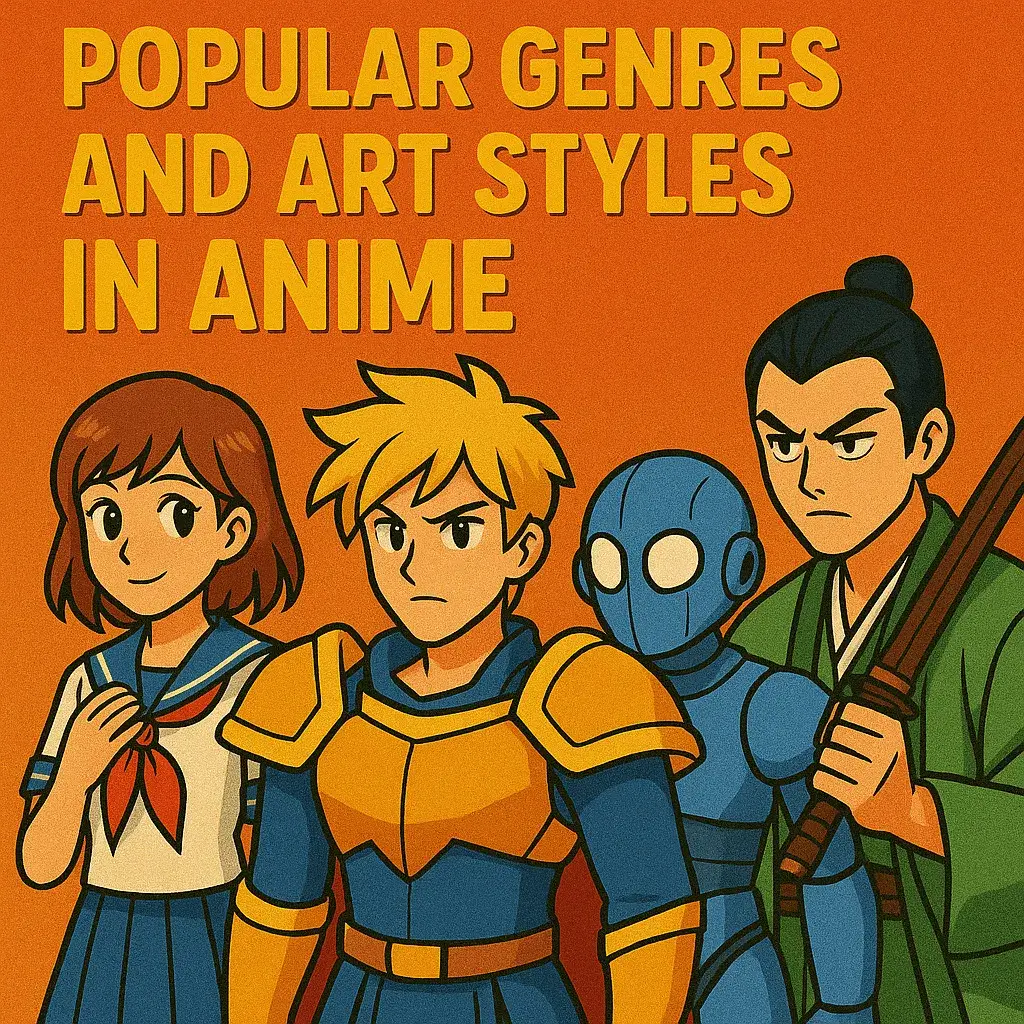
The strength of anime lies in its versatility. Some of the genres that define this medium include
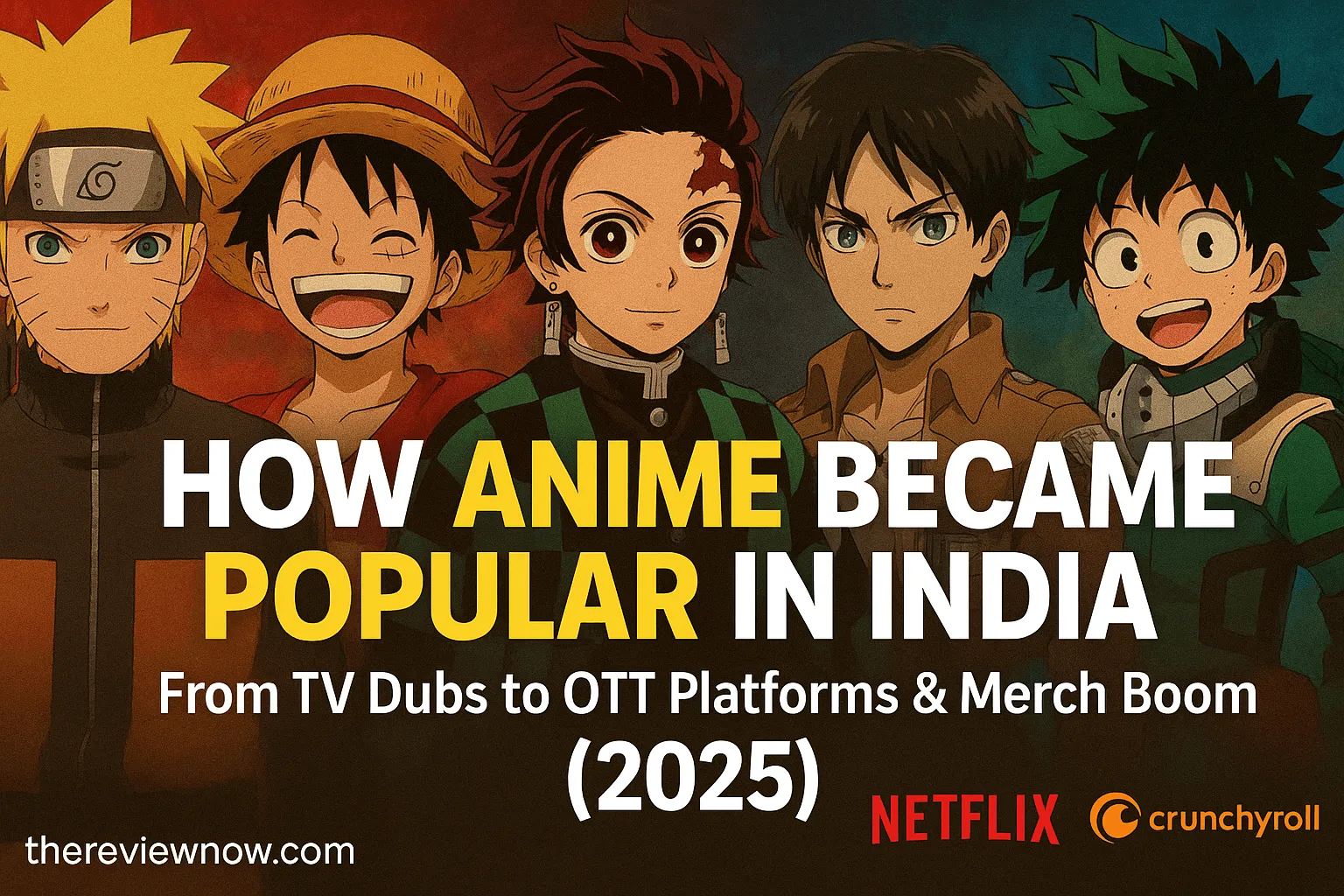
- Shonen (Naruto, One Piece, Demon Slayer) — action-heavy, character growth
- Seinen (Tokyo Ghoul, Monster) — darker, psychological themes
- Shojo (Fruits Basket, Sailor Moon) — romance, emotional arcs
- Isekai (Re:Zero, SAO) — parallel-world fantasies
- Slice of Life (Clannad, Barakamon) — everyday emotional journeys
- Mecha (Gundam, Neon Genesis Evangelion) — robots, sci-fi, philosophy
Each genre brings its own distinct art style and mood, making anime not just one thing, but a universe of possibilities.
Understanding Indian Animation: A Growing Industry Still Finding Its Voice
Indian animation is a story of immense potential and long-standing hesitation. Indian animation is rooted in mythology and folklore, but it’s largely perceived as children’s television content, exemplified by shows like Chhota Bheem, Motu Patlu, and Little Singham. This has brought commercial success but also limited creative ambition.
For years, animation in India was primarily viewed as children’s entertainment rather than a serious storytelling medium, even as Indian studios were quietly powering global projects through VFX, CGI, and outsourcing work for Hollywood and major OTT platforms. Today, the industry’s strengths lie in low-cost production, a technically skilled workforce, rapid adoption of AI and GenAI tools, strong outsourcing demand, and growing government support through AVGC policies, projected to propel the market to an estimated USD 25 billion by 2032.
However, challenges remain in the form of limited original IP, conservative storytelling, a service-driven business model, talent drain, and an unwillingness to embrace mature or experimental storytelling. Indian animation is growing rapidly economically, but creatively, it has yet to fully realize its true potential.
Why Does Anime Feel More Mature and Impactful?
Anime often feels more mature because it doesn’t shy away from real emotions or difficult topics. Characters fail, lose loved ones, doubt themselves, and grow over time, making their journeys feel personal. Stories are usually planned for the long term, so viewers become emotionally invested in the anime rather than just watching random episodes.
Indian animation has yet to explore these layers to the same extent, not because of a lack of talent among creators, but because the industry has largely focused on safe, child-friendly content. This difference in the depth of storytelling is why anime often resonates more deeply with viewers.
The Indian Animation Boom
Things are slowly changing for Indian animation. OTT platforms are bringing in new kinds of content, and creators are getting more freedom compared to television. Many studios are now experimenting with better visuals, compelling storylines, and even content for adults.
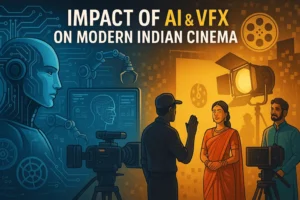
AI, modern VFX tools, and government support through AVGC policies are also helping the industry grow rapidly. While India isn’t yet competing with anime in terms of global impact, there are finally original stories emerging that can appeal to audiences beyond just children.
Final Conclusion
Anime and Indian animation have evolved in very different ways. Anime became global by telling emotionally resonant stories for all ages, while Indian animation mostly focused on children and service work. Now, with OTT platforms, new technologies, and increasing creative freedom, Indian animation has a real opportunity to break free from its limitations and forge its own unique identity.
Follow TheReviewNow for more updates
Fresh OTT news, trailers, reviews & trending stories—delivered first.



Post Comment