Bollywood Music Evolution: How 90s Classics Gave Way to Today’s Viral Hits
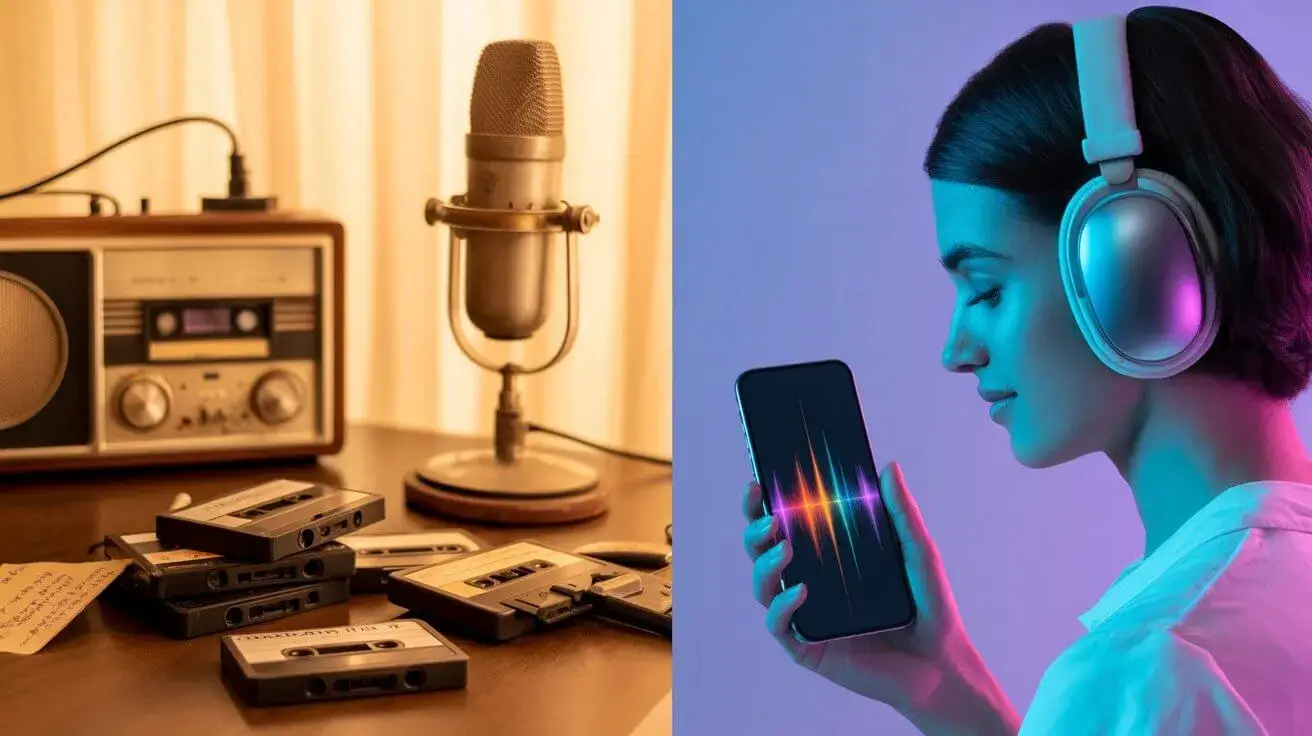
Before Reels, trends, and streaming charts, Bollywood music lived on in moments. Think of the old days: waiting for a song on the radio, rewinding cassette tapes, or humming tunes that stayed with you for years. The 90s gave us songs that were personal, slow-paced, and deeply emotional.
Today, Bollywood music moves at a different pace. Songs are designed for instant gratification, viral hooks, and constant sharing. This shift, from timeless classics to modern viral hits, reflects not only changing sounds but also how we listen to, experience, and connect with music.
The Rise of Melody-Driven Bollywood Music in the 1990s
The 1990s were a time when Bollywood music slowed down, allowing emotions to breathe. Songs weren’t rushed, and melodies were given space to settle into the listener’s heart. Love songs felt tender, heartbreak felt genuine, and even the sad songs offered solace rather than noise.
This was an era when singers became household names, not because of views or trends, but because their voices felt familiar and comforting. The lyrics focused on emotions that people truly experienced: longing, separation, first love, and hope. Music directors prioritized melody and emotion over volume, creating songs that only improved with time and remain relevant even today.
What made 90s Bollywood music special wasn’t just nostalgia. These songs didn’t demand attention; they earned it.

How Storytelling and Emotion Shaped Classic Bollywood Songs
In the 90s, Bollywood songs weren’t just separate from the story; they were the story. Each song conveyed a situation, an emotion, or an unspoken feeling that the characters couldn’t express through dialogue alone. Whether it was the slow blossoming of love or the quiet ache of heartbreak, the music filled the emotional void.
The lyrics played a crucial role. They were simple, poetic, and easy to understand, making the songs feel personal rather than just performance pieces. You didn’t just listen to these songs; you imagined scenes from your own life while listening to them. It’s this emotional connection that has kept many of these classic songs meaningful even decades later.
More than just entertainment, Bollywood music became a common language. It helped people express emotions they didn’t always know how to put into words.
The Shift From Cassette Culture to Digital Music Consumption
For a long time, Bollywood music was something you had to actively seek out. Cassettes, CDs, and radio requests made listening to music a slow and deliberate process. Rewinding tapes to hear your favorite song or patiently waiting for it to play gave music a sense of value and anticipation.
As technology evolved, the way people listened to music gradually but completely transformed. Digital files replaced physical collections, and songs could be accessed easily anytime, anywhere. This shift not only increased convenience but also changed listening habits. Listening became faster, more frequent, and often in shorter bursts.
Bollywood music was now residing in playlists rather than on shelves. While this opened up avenues for discovering new things and offered more variety, it also marked the beginning of shorter attention spans and the habit of skipping tracks quickly.
Experimentation and Change in 2000s Bollywood Music
The early 2000s were like a bridge between two worlds. Bollywood music was no longer confined to familiar melodies, yet it hadn’t fully embraced the fast-paced digital age either. It was a time of quiet experimentation, where musicians began blending traditional tunes with modern sounds and new production techniques.

Electronic elements gradually crept into soundtracks, arrangements became more layered, and international influences started appearing in subtle ways. The songs were evolving, but they hadn’t yet lost their soul.
This period allowed Bollywood music to experiment without pressure. Some experiments succeeded, others didn’t – but together, they prepared the industry for the major shifts that were to come.
The Impact of Streaming Platforms on Bollywood Music Trends
Music streaming platforms not only transformed how we listen to Bollywood music but also how it’s created. As songs competed for attention on apps and playlists, the focus gradually shifted from albums to individual tracks.
Singers were no longer solely dependent on films to establish their careers. Streaming platforms allowed a song to spread faster than ever before, reaching people of different regions and age groups within hours. While this opened doors for new voices and greater experimentation, it also increased the pressure to perform well instantly.
Numbers began to matter. Plays, likes, and shares started influencing creative decisions. Bollywood music entered an era where success was measured not just by emotional connection but also by data, which in turn reshaped trends, preferences, and expectations.

Why Modern Bollywood Songs Focus on Virality and Hooks
Today’s Bollywood songs are made for a fast-paced world where listeners decide in just a few seconds whether to listen to a song or skip it. Music has adapted to this need for instant gratification. Songs now feature powerful hooks right at the beginning, repetitive lines, and high-energy beats.
For today’s singers, going viral has become a primary goal. Songs are crafted for reels, short videos, and dance trends, often prioritizing immediate impact over gradual build-up. This doesn’t mean creativity is dead; it has simply learned to operate within the new rules dictated by algorithms and screen time.
While some songs become popular as quickly as they fade away, others manage to strike a balance between catchiness and emotional depth. The challenge for today’s Bollywood music is no longer just about being heard—it’s about being remembered.
The Role of Social Media in Creating Today’s Bollywood Hits
Social media has become the new launchpad for Bollywood music and other forms of entertainment. Now, a song doesn’t have to wait for a film release or chart ranking to become popular; it finds its audience through short videos, challenges, and everyday moments shared online.
Platforms like Instagram and YouTube have shifted the power to the listeners. A track doesn’t become a hit because it’s heavily promoted, but because people enjoy using it, listening to it repeatedly, and connecting with it. This organic spread can turn even a background song into a mainstream favorite overnight.
At the same time, this system prioritizes speed. Popularity can surge rapidly and disappear just as quickly. Social media has made Bollywood music more democratic, but also more unpredictable than ever before.
What Bollywood Music Has Gained and Lost Over the Years
As Bollywood music has evolved, it has reached a larger audience than ever before. Technology has made discovery easier, provided a platform for independent artists, and allowed for experimentation beyond traditional film soundtracks. Variety has increased, and listeners now enjoy music across diverse genres, moods, and languages.

However, this transformation has also brought some drawbacks. The pressure to remain relevant has often stifled creativity. Songs have begun to chase trends rather than emotions, and originality has sometimes taken a backseat to familiarity. Where music once demanded patience, it has now become a competition for instant attention.
Yet, every era leaves behind something valuable. The key lies in finding balance: between accessibility and depth, between speed and emotion, and between fleeting trends and enduring artistry.
Why 90s Bollywood Songs Still Connect With Listeners Today
Even decades later, people still love listening to Bollywood songs from the 90s. They aren’t tied to trends or fleeting moments, but rather to emotions that truly never change. Love, loss, hope, and longing feel just as real today as they did back then.
These songs endured because they were crafted with patience. The melodies unfolded gradually, the lyrics spoke without shouting, and even the silence between the notes was given its due. This simplicity makes 90s songs easy to return to again and again, especially in a time when everything else feels rushed.
For many listeners, these songs are more than just music; they are cherished memories. And memories, unlike trends, don’t fade away quickly.
How Bollywood Music Mirrors India’s Changing Culture
Bollywood music has always reflected the mood of the nation. In the 90s, the songs mirrored a calmer, more personal society, where emotions unfolded gradually and relationships developed over time. The music of that era felt intimate because life itself moved at a slower pace.
As times changed, so did Indian music. Urban lifestyles, digital advancements, and global exposure have transformed musical preferences. Today’s Bollywood music is fast-paced, louder, bolder, and designed for constant movement. This transformation didn’t happen overnight.
In every era, Bollywood music has served as a cultural mirror, reflecting the changing times. Whether soft or loud, slow or fast, it continues to capture the rhythm of the emotions of the time it represents.
Conclusion
Bollywood music didn’t change overnight; it evolved alongside our emotions, our habits, and what we see on our screens. From the warm melodies of the 90s to today’s viral rhythms, every era has left behind songs that tell the story of their time. And somewhere between nostalgia and the present, music always finds a way to stay with us.
Follow TheReviewNow for more updates
Fresh OTT news, trailers, reviews & trending stories—delivered first.




Post Comment