History of OTT Platforms in India: Growth, Challenges & Future
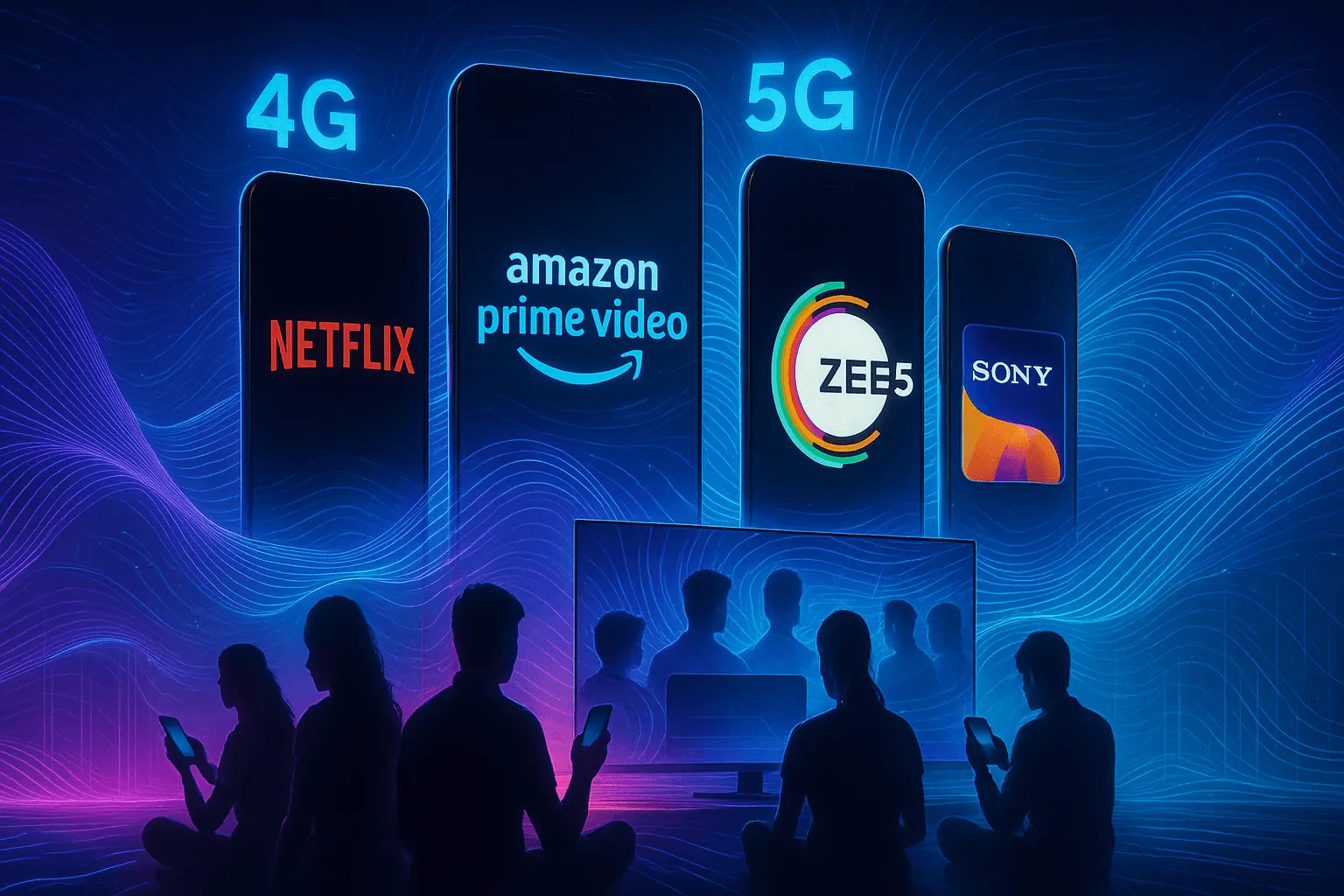
There was a time when entertainment in India meant waiting for the 8 PM TV serial or anticipating a movie release on the weekend. But the way people consumed content in India changed forever when the internet became faster, cheaper, and accessible to everyone. Overnight, entertainment shifted from the TV screen to the smartphone screen. This new world had a name: OTT.
What started as a small experiment soon became a phenomenon. OTT platforms not only brought global content to Indian audiences but also created a whole new way of living, watching, and being entertained. This is the story of how it all began.
Early History of OTT Platforms in India 2008 to 2014
Long before Netflix and Amazon arrived in India, streaming had already taken off in India. In 2008, Reliance launched the country’s first official OTT platform, BigFlix. This was a big idea at a time when internet speeds were slow and mobile data was very expensive. A few years later, NexGTV introduced India to mobile streaming, and DittoTV began providing digital live TV.
These platforms were pioneers in India, but India was not fully prepared for them. Smartphones were few, 3G internet was slow, and the idea of watching movies online seemed a bit strange. Nevertheless, these early players helped OTT thrive in India, which would soon grow faster than anyone imagined.
Bollywood Music Evolution: From 90s Classics to Today’s Viral Hits
Take a nostalgic ride from soulful 90s Bollywood melodies to today’s viral bangers. Discover how technology, trends, and audiences reshaped Hindi film music into a global, stream-worthy phenomenon.
Read More »The Rise of OTT Platforms After the 4G Revolution
Everything changed for OTT in India in 2016. When Reliance Jio entered the market with affordable 4G internet, the entire country went online simultaneously. Online streaming, once considered impossible, suddenly became a breeze for millions.
This was the wave the world’s largest companies had been waiting for. Netflix launched its India service. Amazon Prime Video entered India with aggressive pricing. Hotstar became popular with cricket, Disney content, and Indian shows.
What was once the future suddenly became the present. Now streaming is no longer a novelty but a daily habit.
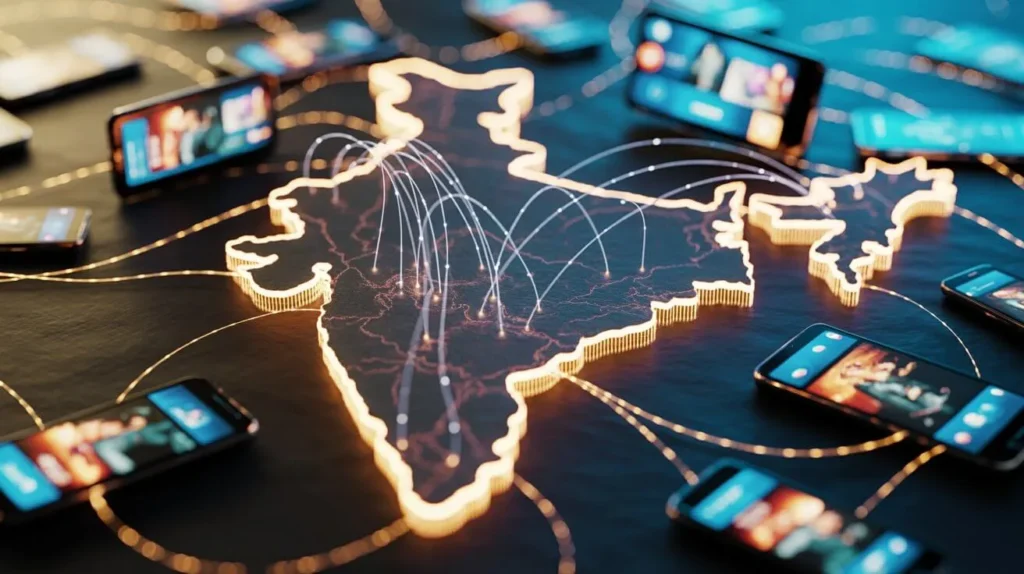
OTT Boom and Web Series Revolution in India 2018 to 2021
The years from 2018 to 2021 changed the Indian entertainment industry forever. With over 300 million smartphone users and cheap data, OTT became a household name in India. But what truly made this time different was the arrival of Indian web series on OTT.
Initially, Indian web series like Sacred Games broke the internet. Mirzapur created its own fan universe. Then, The Family Man series proved that Indian OTT content could match global standards. Similarly, Scam 1992 became a cultural moment.
Then the pandemic hit India, with theaters closed and people confined to their homes. At that time, OTT became not just another option but the world’s sole source of entertainment. At that time, films began releasing directly on OTT platforms, and families binge-watched them together. This gave birth to a new entertainment lifestyle.
Expansion of Regional OTT Platforms in India
As OTT matured, it became clear that India wasn’t just a single audience but a multi-faceted space for OTT. Regional platforms emerged with compelling storytelling: Hoichoi for Bengali, Aha for Telugu, and Sun NXT for South India, and a wave of smaller platforms emerged for local languages. This allowed people across the country to access OTT content in every language.
This shift was necessary for India. It proved that Indian audiences value stories in their own language and rooted in their culture. Regional OTT platforms didn’t compete with global giants but instead built their own loyal fan bases.
The battle for content grew larger, and budgets increased. Platforms pursued exclusive rights, sports streaming, and superstar-driven projects.
Major Challenges Faced by OTT Platforms in India
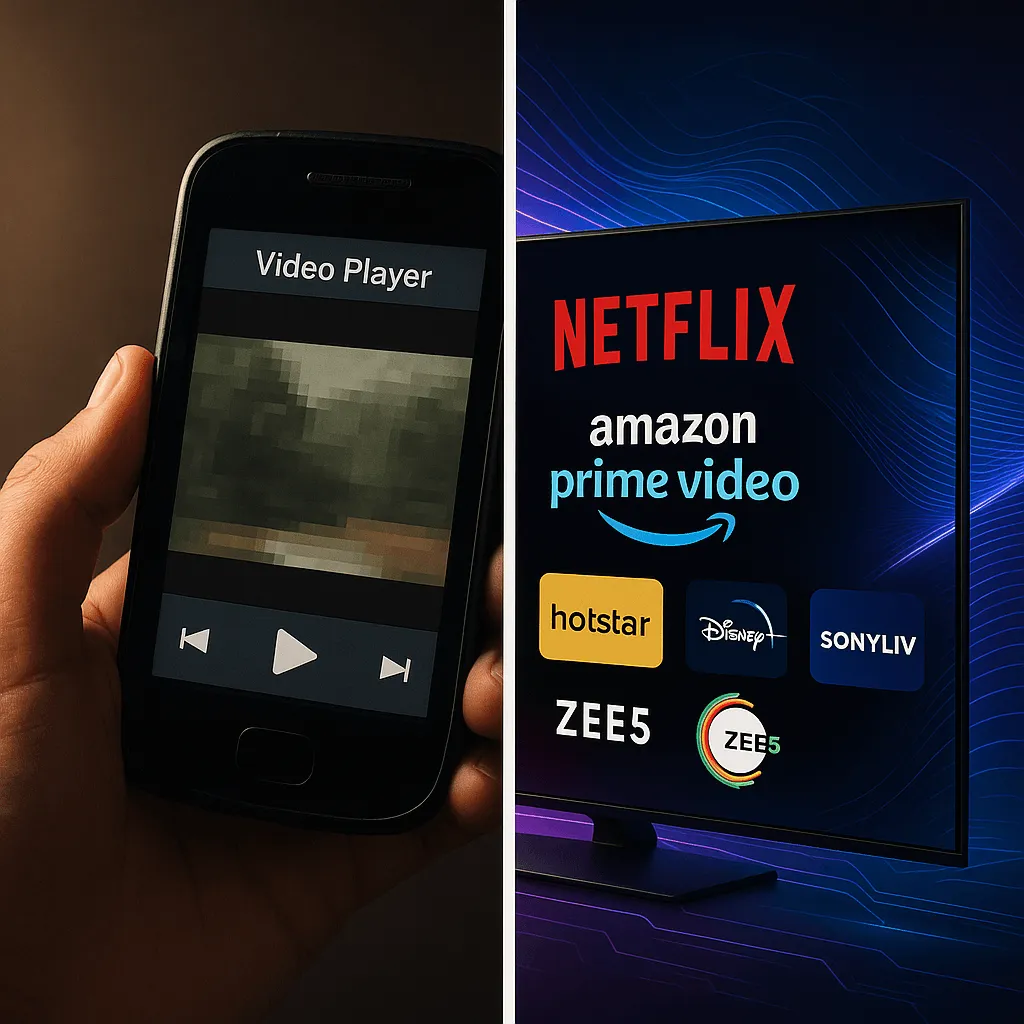
Despite its rapid growth, OTT platforms face numerous challenges. With so many platforms, users struggle to choose a single platform. Too many subscriptions, too many apps, too many options. As the market becomes more crowded, it becomes increasingly difficult for any single OTT platform to retain subscribers.
To add to the challenges, OTT apps in India are facing revenue losses due to piracy. Telegram channels leak movies within hours of release. Illegal streaming sites still receive significant traffic.
Monetization is another challenge. India loves content, but Indian audiences are reluctant to pay premium prices. Platforms must strike a balance between big-budget shows and affordable plans to retain subscribers. Competition among OTT platforms is fierce today. Every platform is fighting for attention, content, and screen time.
Impact of Government Regulations on OTT Platforms
OTT platforms once operated with complete freedom in India. However, as content became bolder and complaints increased, government officials had to intervene. The IT Rules 2021 introduced content classification, grievance officers, and complaint resolution mechanisms.
This brought more structure but also increased scrutiny. Therefore, OTT platforms are now operating more cautiously than before, telling bold stories while staying within regulatory limits. Creative freedom and compliance must now coexist.
The Future of OTT Platforms in India
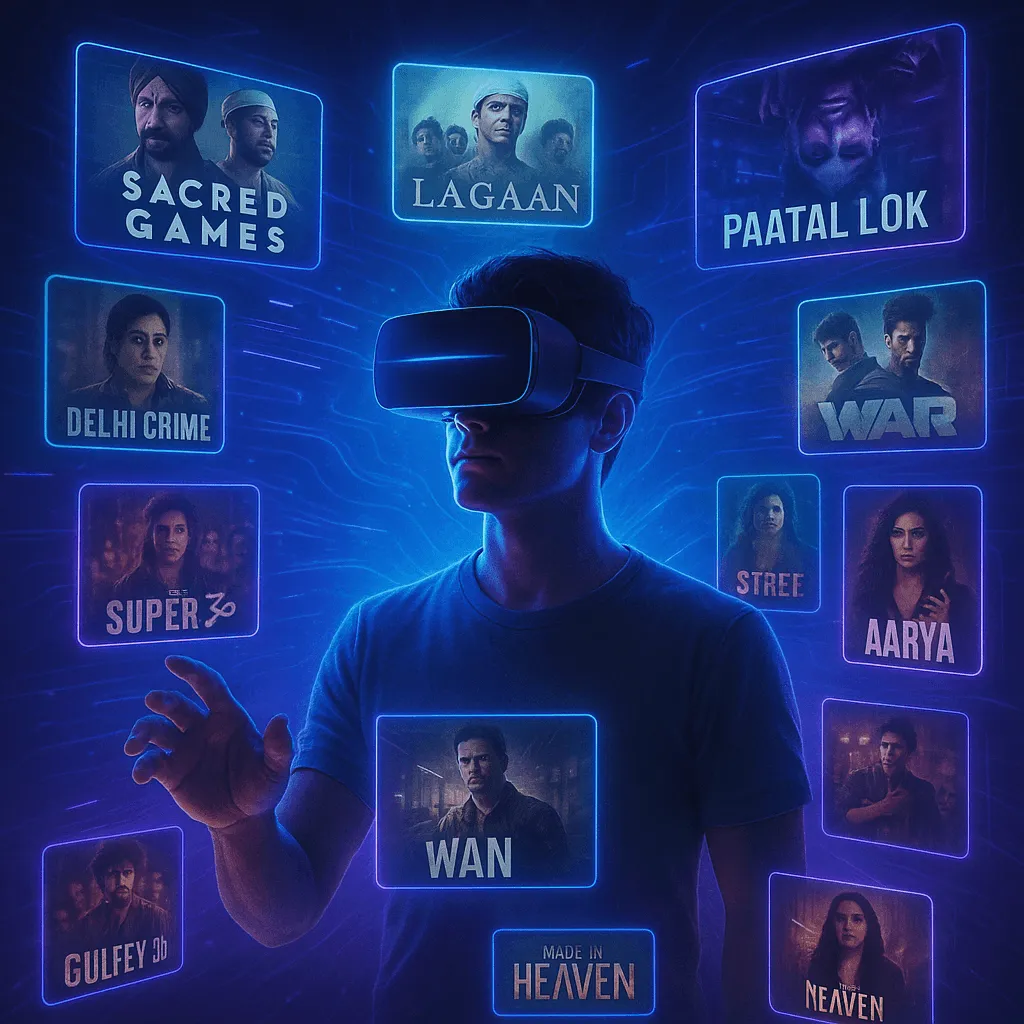
As India progresses, OTT is preparing for its next big leap. AI-powered personalization will create a unique experience for every viewer. Interactive and immersive content could allow viewers to choose their own ending. AR and VR will transform homes into mini-theaters.
Regional content will continue to dominate. Bundled subscriptions could become the new normal, with plans that include OTT, music, gaming, and more.
Cinema and OTT will not compete but coexist, each playing a unique role in audiences’ lives. India is moving towards a hybrid entertainment ecosystem where stories will no longer be limited.
FAQs About History of OTT Platforms in India
1. What is the meaning of OTT in India?
OTT stands for over-the-top, which refers to streaming services that deliver video content directly over the internet without cable or satellite TV.
2. Which is the first OTT platform in India?
Bigflix, launched in 2008 by Reliance, is India’s first official OTT platform.
3. Are OTT platforms replacing theatres in India?
No. OTT and theaters now coexist. OTT offers convenience, while theaters offer a more immersive cinematic experience.
4. When did OTT platforms become popular in India?
OTT platforms became very popular in India after 2016 due to the 4G revolution, cheap data and increasing use of smartphones.
Conclusion
The history of OTT platforms in India isn’t just a technological journey, it’s also a new cultural one. From humble beginnings to a nationwide revolution, OTT has completely changed India’s entertainment script. It’s transformed the way we watch, the way we think, and the way we engage with content.
As we look ahead, one thing is certain: OTT isn’t just the future of entertainment, it’s also the future of India’s digital age, which is growing faster, bigger, and bolder with each passing year.
Follow TheReviewNow for more updates
Fresh OTT news, trailers, reviews & trending stories—delivered first.





Post Comment