Is The Super Mario Galaxy Movie the Start of a Nintendo Cinematic Universe?
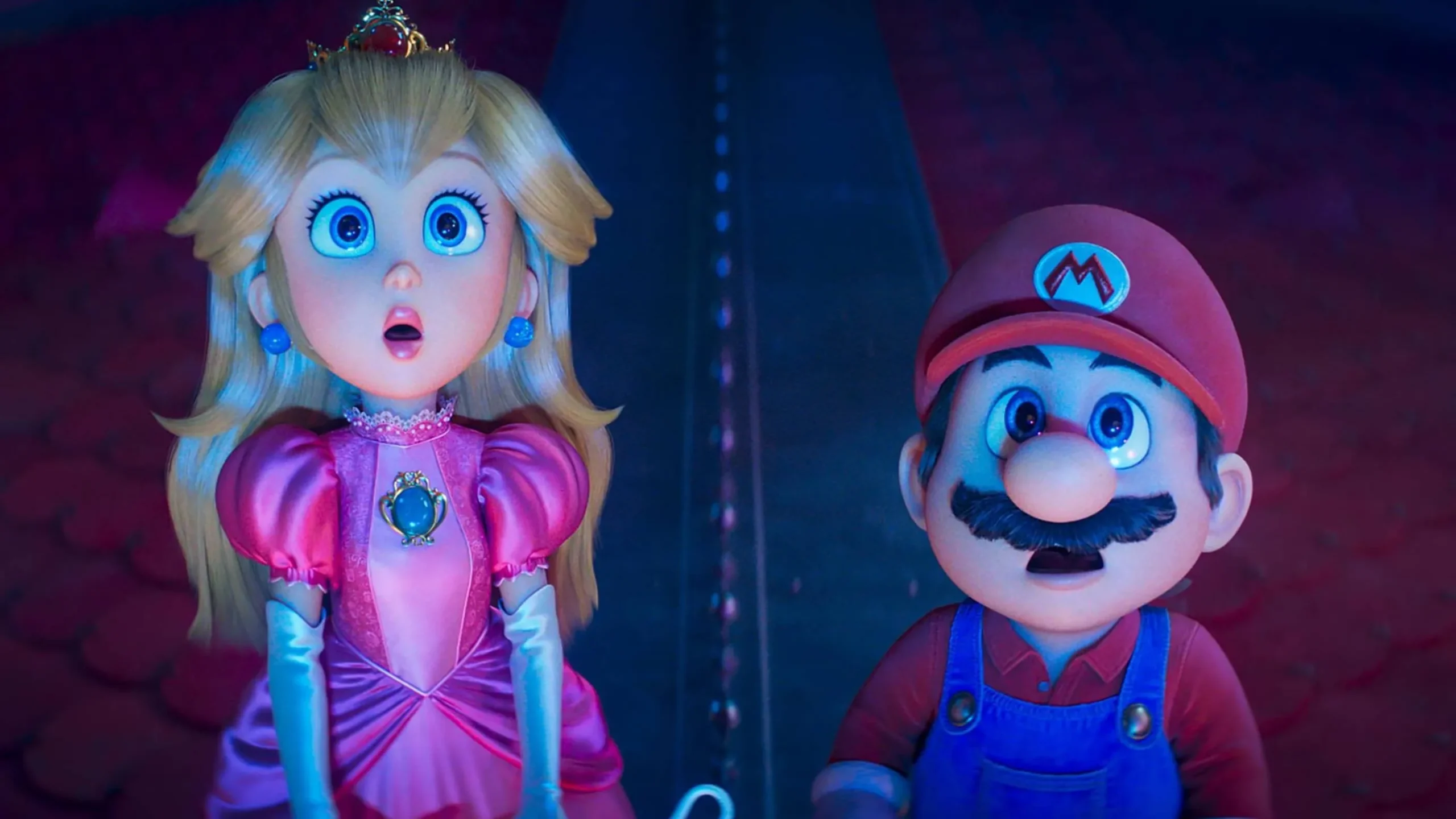
The massive success of The Super Mario Galaxy Movie is doing more than just breaking box office records it’s quietly signaling a larger shift in how video game franchises are being adapted for the big screen. With strong financial performance, expanding character arcs, and increasing global appeal, the film is raising an important question “could this be the foundation of a larger cinematic universe led by Nintendo?”
Let’s break down what the available data and narrative elements actually reveal.
Box Office Performance Signals Strong Franchise Potential
In terms of the movie’s franchise and box office performance, The Super Mario Galaxy Movie has already surpassed several major financial milestones including earning over $300 million domestically, exceeding $600 million worldwide, and grossing approximately $69 million during its second weekend alone. The film has successfully maintained the number one spot throughout its second week of release. It was released across 88 international markets.
Such consistency particularly the 48% drop in earnings during the second weekend, which is considered a remarkably strong hold for an animated sequel demonstrates that audience interest in the film is not merely fleeting but has remained sustained over time.
The film currently stands as the biggest animated release of 2026, thereby placing it in the same league of performance as major franchises such as Minions and Toy Story.
From a business perspective, this level of performance is often a prerequisite for expanding a film into a larger “cinematic universe.”
Collaboration Between Illumination and Nintendo
This film was produced jointly by Illumination and Nintendo. This partnership is significant because Illumination possesses proven expertise in animated franchises, while Nintendo ensures brand continuity and the authenticity of the characters. If you have watched the movie’s trailer, it becomes evident that this collaboration has devised a “successful formula” for adapting video game properties a feat that has historically proven challenging for Hollywood.
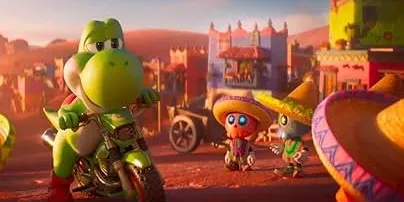
The animation style specifically captures the “vibrant and colorful nature of the Galaxy levels,” lending the film a cinematic quality while preserving the identity of the original game. Such consistency is essential when multiple films are intended to be produced within a shared universe.
Returning Cast
The return of the main voice actors strengthens the continuity between the films such as Chris Pratt, who voiced Mario; Jack Black, who voiced Bowser; and Anya Taylor-Joy, who voiced Princess Peach. Consistent casting is a fundamental element in creating interconnected stories; it ensures that the audience remains familiar with the characters across different installments.
Expanding Character Universe
The Super Mario Galaxy Movie offers clear indications of an expansion within the characters’ universe. Bowser’s portrayal demonstrates considerable depth; his dialogue featuring lines such as “I am battling my inner demons” reveals that he is no longer merely a one-dimensional villain. This character possesses the potential to drive future narratives forward. Furthermore, the introduction of Bowser Jr. who declares, “I am Bowser Jr., and I am taking my father with me now” introduces a new narrative thread, opening up fresh possibilities for the story’s expansion.
Additionally, the presence of Princess Rosalina highlighted through lines like “Princess Rosalina, you will come with me” firmly anchors the narrative to the broader scope of the ‘Galaxy Arc.’ This serves as a signal that the storyline is now moving beyond the traditional ‘Mushroom Kingdom‘ setting, shifting toward more expansive, space-based narratives.
Audience Appeal Across Demographics
The movie’s storyline identifies two primary audience groups responsible for its success first, children, and second, adults. Children are drawn in by the animation, humor, and visuals, while adults are motivated by their nostalgia for the original games. This appeal is crucial for a cinematic universe that fosters repeat viewership and builds connections across different generations. The film’s ability to pack theaters worldwide and sustain robust bookings serves as a testament to this fact.
Global Market Strength
With earnings exceeding $320 million in international markets and a wide release across 88 countries, the film’s international rollout stands as its true success. Furthermore, a cinematic universe relies primarily on global audience acceptance and consistency across various markets; this film clearly fulfills both of these criteria.
Conclusion
The financial performance of this film is quite strong. It sustains audience interest even beyond the opening weekend. It introduces new characters and expands upon existing ones. It operates under a successful production partnership. It appeals to various diverse segments of the audience worldwide.
Follow TheReviewNow for more updates
Fresh OTT news, Anime, trailers, reviews & trending stories—delivered first.




Post Comment